A hotel built out of a whole block
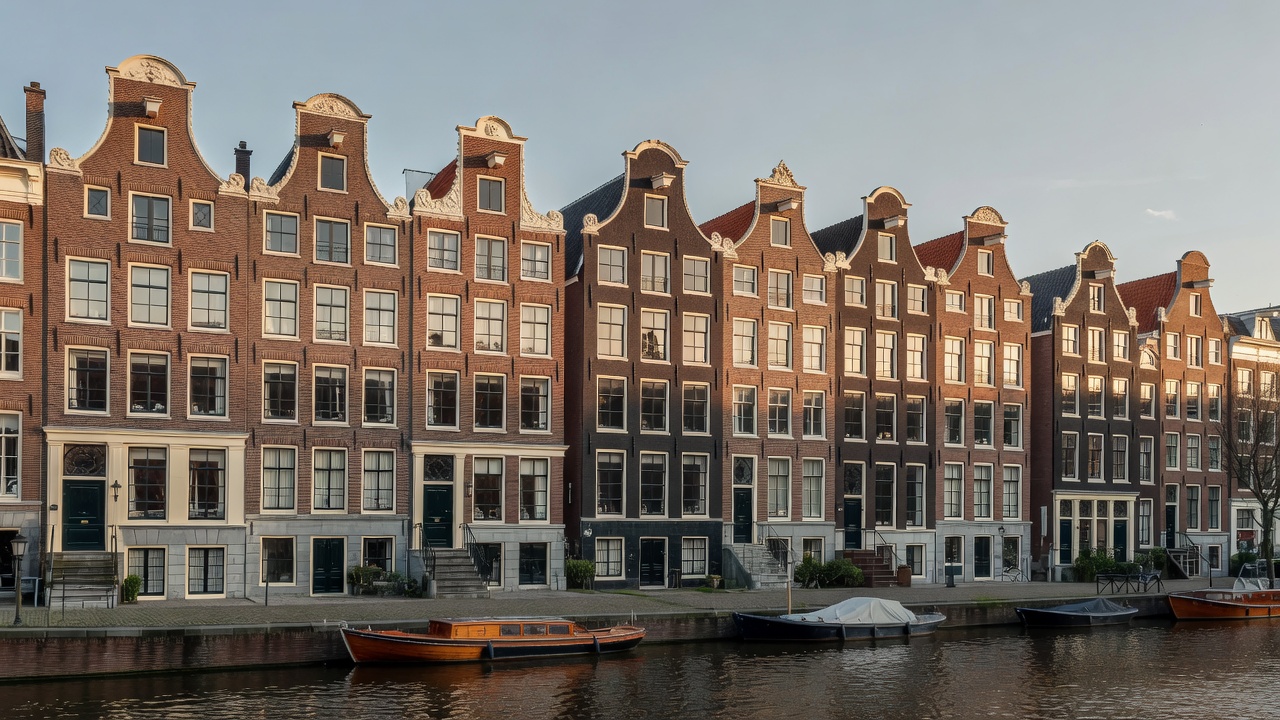
The Pulitzer began in the 1960s as a handful of merchant houses joined together and has grown into an entire block between Prinsengracht and Keizersgracht, bounded by Reestraat and Wolvenstraat. Twenty-five separate houses now share one address. Because each was built at a different date, to a different height, with a different floor structure, the interior is a genuine labyrinth: three steps up here, a turn there, a sudden change in ceiling height, then a door into a garden you did not know existed.
The full renovation directed by Jacu Strauss gave the hotel its current personality — a layered, slightly theatrical eclecticism in which each house retains a distinct character rather than being smoothed into a single scheme. The result is the most architecturally interesting stay of the five hotels profiled here, and the one most likely to make you take photographs of a staircase.
Rooms and the collector's suites
Standard categories are compact by international five-star standards, which is the honest cost of staying inside protected canal houses. What you get instead is variety: rooms with original beams, rooms facing the water across a narrow pavement, rooms overlooking the walled gardens, split-level rooms reached by an internal stair.
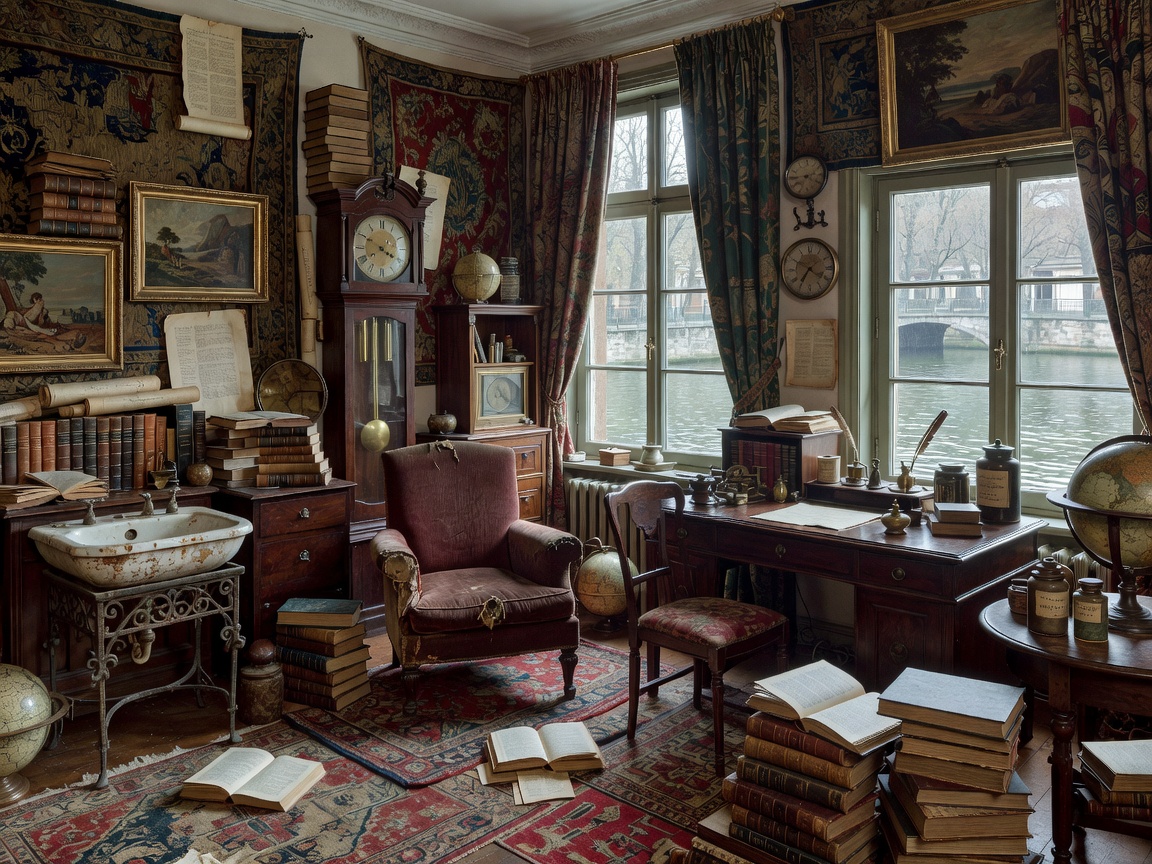
The signature accommodation is the group of collector's suites, each built around an invented former occupant of the house — the Book Collector, the Antique Collector, the Art Collector, the Music Collector — and furnished accordingly with real objects, instruments and volumes. They are also among the few suites in Amsterdam where the concept genuinely survives contact with the room.
Gardens, restaurant and bar
The inner courtyard gardens are the hotel's quiet triumph. Enclosed by the backs of the houses, planted rather than paved, they produce silence twenty metres from one of the busiest stretches of the canal ring. Breakfast and afternoon drinks move outside whenever the weather allows.
Jansz. sits on the corner of Reestraat with its own street entrance and behaves like a neighbourhood restaurant rather than a hotel dining room — modern European plates, a proper bar, full of locals at lunch. Pulitzer's Bar occupies the former pharmacy-style rooms on the Prinsengracht side and mixes a short, serious cocktail list under low ceilings. Both are worth a reservation even if you sleep elsewhere.
Indicative 2026 rates
| Category | Low season | High season |
|---|---|---|
| Queen / King room | from €360 | from €610 |
| Canal-view room | from €470 | from €780 |
| Garden room | from €490 | from €800 |
| Collector's suite | from €980 | from €1,750 |
Pros and drawbacks
Strengths
- The most characterful architecture of the five: 25 houses, no repetition.
- Hidden inner gardens deliver rare central silence.
- Jansz. and Pulitzer's Bar attract Amsterdammers, not only guests.
- Nine Streets shopping is literally around the corner.
- Collector's suites are a genuine design destination.
Consider carefully
- Entry-level rooms are small; storage is limited.
- Long internal walks with steps — flag mobility needs at booking.
- Canal-side rooms can catch late-night street noise in summer.
- No large spa or pool.
Verified links
- Official website — pulitzeramsterdam.com
- I amsterdam — official city visitor information
- UNESCO — canal ring World Heritage listing
- Anne Frank House — eight minutes' walk along Prinsengracht
Frequently asked
Is the hotel step-free?
Partially. Several houses have lifts, but connecting corridors include short flights of steps. Request a room in a lift-served house when you book if steps are an issue.
Which room for a first stay?
A garden room if you value sleep, a canal-view room if you value the window. The gardens are quieter; the canal is the photograph.
How close is Centraal Station?
About 1.6 km, 20 minutes on foot through the Nine Streets, or a short tram ride to Westermarkt.
Not sure which house you'll be placed in?
We keep notes on which of the twenty-five buildings are quietest and which have lifts.
Ask the editors